Loodusemees.ee image bank Loodusemees.ee - the day in pictures

Looduskalender in Vikerraadio: Dawn and Dusk

The author, Kristel Vilbaste, presents texts also in Vikerraadio

Translation into English by Maret

Photo Arne Ader

Estonian text posted 17.07.2018

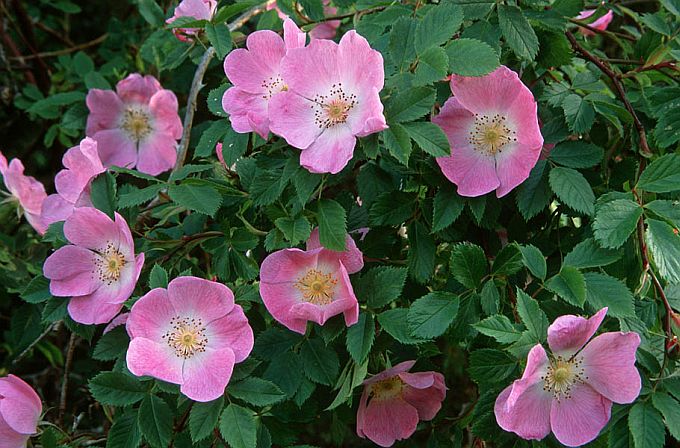
Kibuvits

Wild Rose (or Dog Rose)

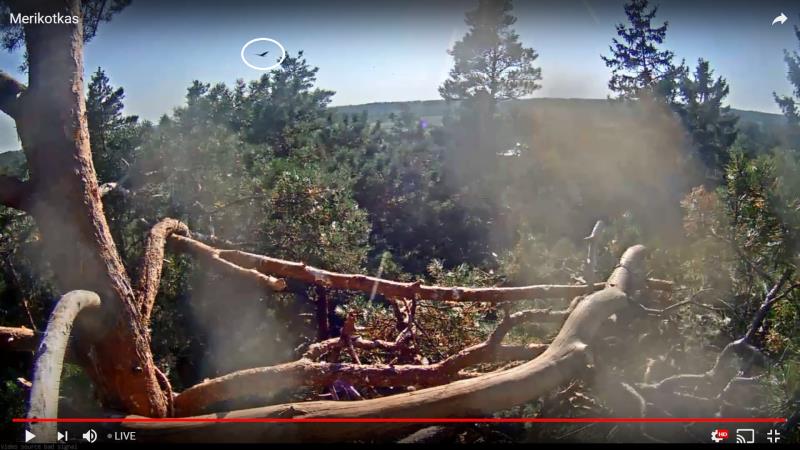
Our loudest song birds have lost their power. The cuckoo has “caught a barley awn in its throat” (an old Estonian saying - M.)  -  flying over a field it’s no longer chased by an angry flock of birds. Even the nightingale has gone quiet, only the oriole is still whistling.

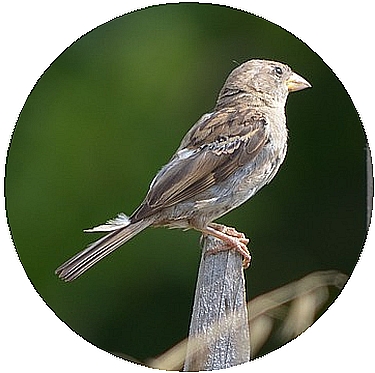
Right now the bird population presents a totally different sound to the world. The ones singing are mainly hedge sparrows and warblers. In addition, we can often hear some young birds’ cries for help: herons at the lake, owlets in the night or the young ones among a huge flock of starlings. But the oriole keeps whistling away and quite often its shrill sounds predict rain  -  and now the rain showers do keep coming very frequently.

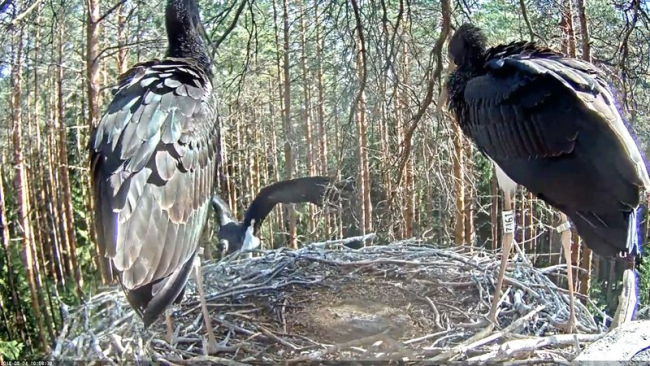
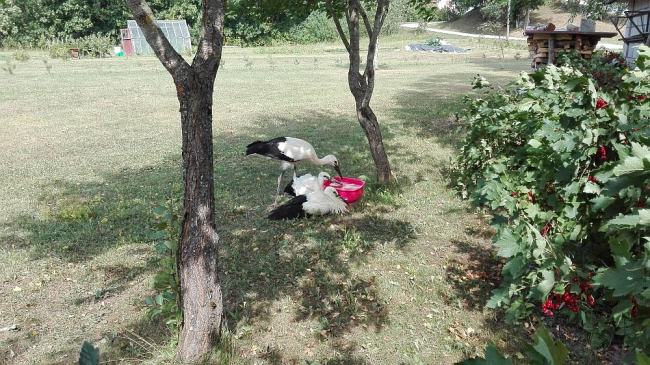
Young black storks two and a half months

Screenshot from webcam  UteL, LK forum
English translation Liis


Estonian text posted 04.08.2018

Near the nest flying exercises go on in daytime too


¨Black stork      Must-toonekurg       Ciconia nigra


Female Kati has not been seen since the beginning of August but so quietly the departure of the black stork females proceeds.

Hunger is what sets the young birds in action because the couple of feedings in a day by male Karl is no longer enough for youths grown big. They have to start acting and occupying themselves as their instincts tell them.

Looduskalender in Vikerraadio: Fields covered in cornflower blue

Kristel Vilbaste

Photo Arne Ader

English translation Maret

Estonian text posted 12.07.2018

Rukkililled nisupõllul

Cornflakes on wheat field

At some point in time, we start looking in the nature for cornflowers.

We probably don’t notice them much before the second week of July, but then all of a sudden every Estonian seems to need them. And there really are certain fields, where dicotyledonous plants are not abolished and where they bloom happily just then.

There are certainly many things to learn about our national flower. For instance, just when do cornflowers start to bloom in our fields. When you ask people, most of them think, that it must happen around the time for the Song Festivals (usually at the beginning of July - translator), because then just about everybody carries cornflowers, either in bouquets or in wreaths on the heads of girls.

Looduskalender in Vikerraadio: Animals of the dark

Kristel Vilbaste

Photo Arne Ader

English translation Maret

Estonian text posted 11.07.2018

Mutt

Mole

You have most likely noticed in the past week, that occasionally on roadways (highways) you can see dead moles. Or maybe you have even happened to see some of these little animals aimlessly plodding along above ground, despite of their fear of light.

Right now is the time, when we are most often able to see them, because the mole families are chasing their offspring out of their underground tunnels. Maybe some eager youngsters are able to build a wall between themselves and their elders, but most of them have to get out into the open and find new soft ground suitable for tunnelling. And doing so, they often get caught in the beaks or teeth of their predatory enemies.

We use cookies on our website to support technical features that enhance your user experience.

We also use analytics & advertising services. To opt-out click for more information.