Loodusemees.ee image bank Loodusemees.ee - the day in pictures

Let us know about ”mad capercaillie” observations!

Information from Estonian Ornithological Society

Photo Tauri Pärna
Translation  Liis


Estonian text posted 31.01.2018
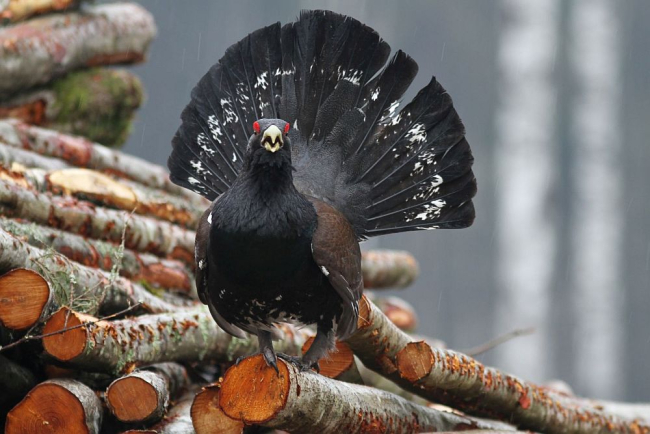
Capercaillie cock


The Estonian Ornithological Society asks you to report observations of mad capercaillies.

Abnormally behaving capercaillie cocks and hens that are not afraid of humans, press into gardens and may even attack are referred to as mad. All such encounters from this year but also from earlier dates can be forwarded to the website of the capercaillie, the Bird of the Year 2018:  www.eoy.ee/metsis

VIDEO: Winter Garden Bird Watch at the weekend

Video Ahto Täpsi
Translation Liis


Estonian text posted 29.01.2018


Did you watch and count birds at the weekend?

The Winter Garden Bird Watch took place on January 26.-28. It has developed into the most popular birdwatching event in Estonia and the largest people’s science enterprise.


A preliminary summary of the survey from the Estonian Ornithological Society:

On the weekend more than 44 000 birds were counted

Track book readable until yesterday’s thaw

Photo  Mats Kangur
Translation Liis


Estonian text posted 25.01.2018

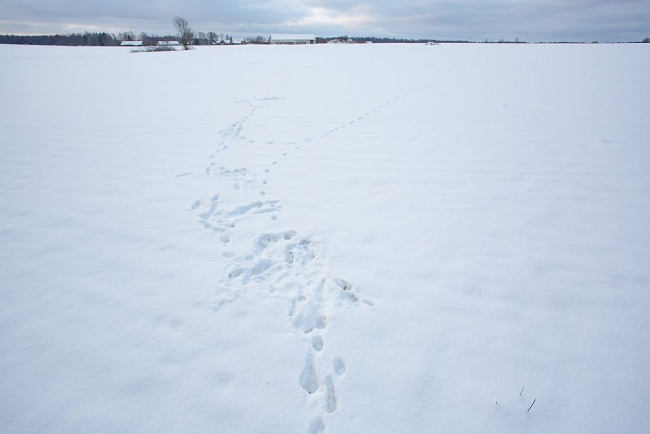
We see the traces of the rompings of the fox pair and in the right-hand corner the line of tracks of a solitary fox investigating  what has happened


Fox; Red fox       Punarebane or rebane        Vulpes vulpes   


During the weekend Mats still managed to get a nice series of images from the start of  the heat period of the foxes.

2018 Mushroom of the Year – Tinder Polypore

Info from Eesti mükoloogiaühing Estonian Mycological Society

Photo Külli Kalamees
Translation Liis

Estonian text posted 13.01.2018


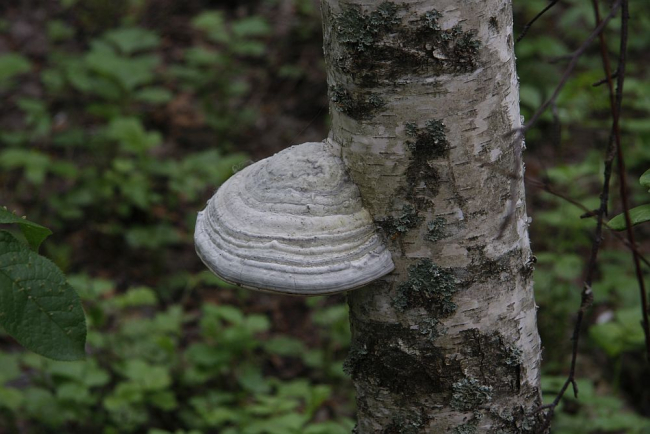
Tinder polypore on birch trunk     


Tinder polypore; Touchwood      Tuletael       Fomes fomentarius

The   Estonian Mycological Society (Eesti mükoloogiaühing) elected the Tinder Polypore as the Mushroom of the Year for 2018.

The tinder polypore belongs to the polypore family; its fruiting bodies grow on birches, more seldom on other broadleaf species.

We use cookies on our website to support technical features that enhance your user experience.

We also use analytics & advertising services. To opt-out click for more information.